The Importance of a Metal Fabricator in Construction
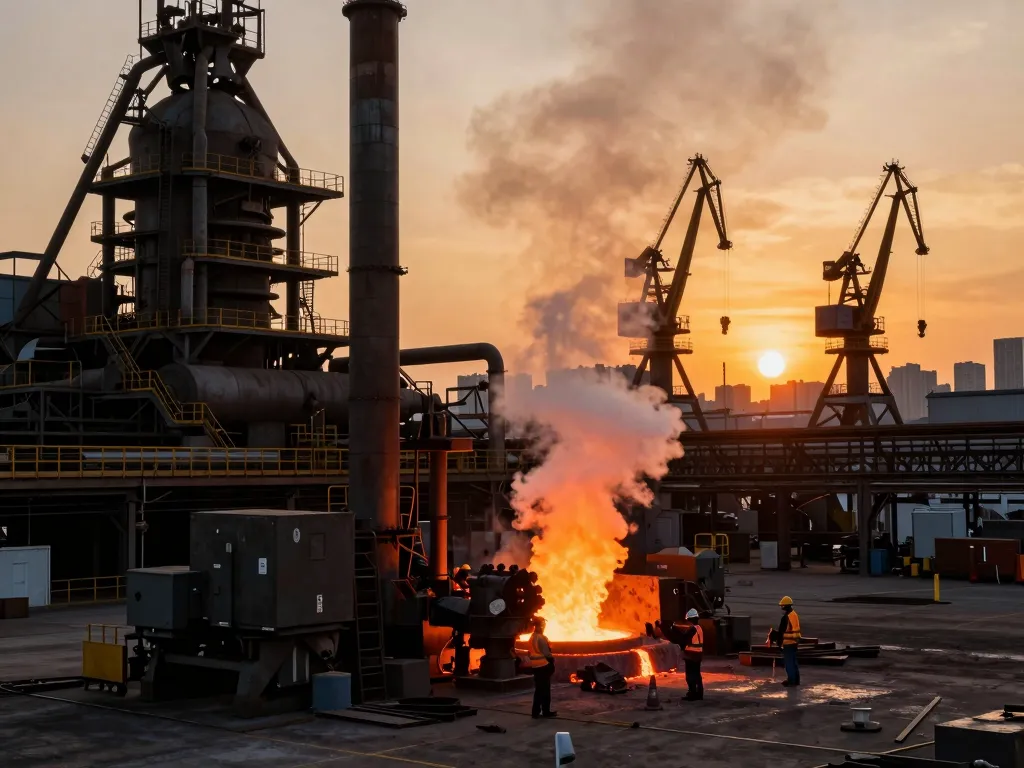
Metal fabrication is a crucial component of modern construction, influencing the quality, functionality, and aesthetics of various structures. As projects grow in complexity, the role of a Metal fabricator becomes increasingly vital. They are responsible for shaping and assembling metal components used in buildings, bridges, and various architectural elements, ensuring they meet both design specifications and safety standards. In this article, we will delve into the essential functions performed by metal fabricators, address common misconceptions, and explore the benefits of in-house fabrication.
What Does a Metal Fabricator Do?
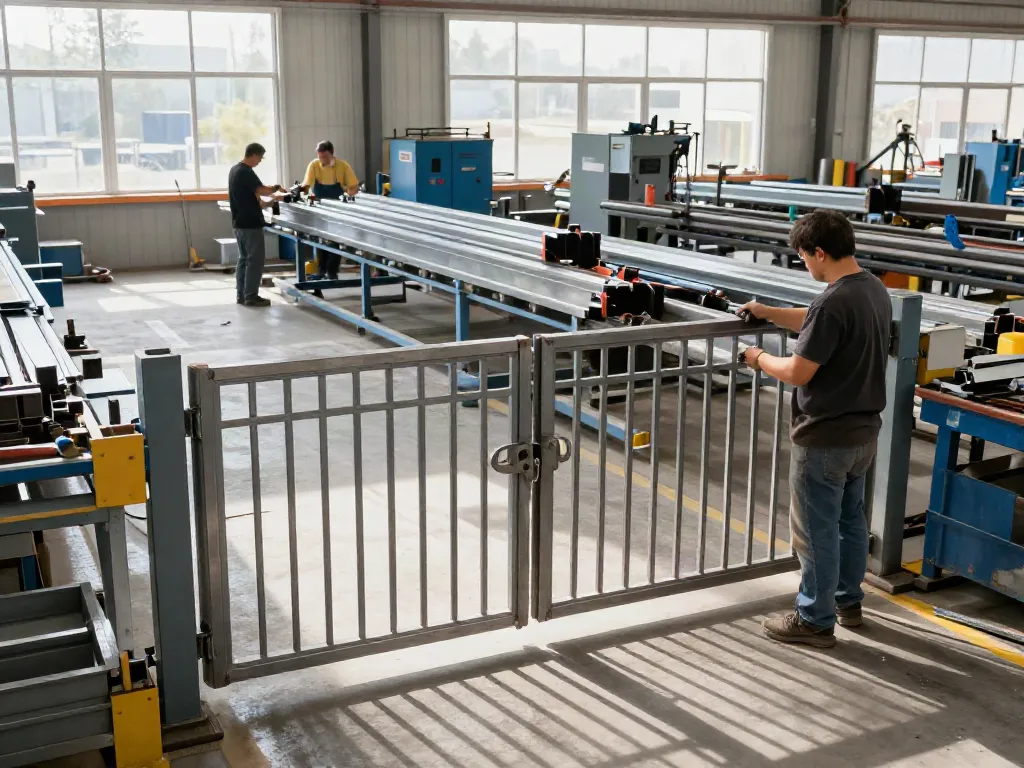
At its core, metal fabrication involves cutting, bending, and assembling metal to create structures or components. A metal fabricator achieves this using various tools and techniques, including welding, machining, and finishing processes. These professionals work from detailed blueprints or specifications provided by architects or engineers, translating designs into physical components.
- Welding: Joining metal pieces together using heat and pressure.
- Machining: Shaping metal through processes such as drilling and milling.
- Finishing: Applying coatings or treatments to enhance durability and aesthetics.
In addition to technical skills, metal fabricators must have a deep understanding of materials and their properties, which informs their decisions on design and execution. For instance, in regions with high humidity or saline environments, choosing corrosion-resistant materials plays a crucial role in the longevity of the final product.
Common Misconceptions About Metal Fabrication
Despite its importance, metal fabrication is often misunderstood. Some common misconceptions include:
- All metal fabricators are the same: Fabricators can vary significantly in terms of expertise, equipment, and specialties.
- Metal fabrication is only about welding: While welding is an essential aspect, fabrication encompasses a broader range of processes, including cutting, machining, and finishing.
- It’s a purely mechanical process: Successful fabrication requires creativity and problem-solving skills, as each project presents unique challenges.
Benefits of In-House Fabrication for Clients
In-house fabrication offers numerous advantages for clients, particularly for those engaged in large-scale or complex projects. Here are some key benefits:
- Quality Control: With all processes under one roof, companies can maintain high standards and ensure consistent quality throughout the fabrication process.
- Streamlined Communication: Direct communication between designers and fabricators reduces the chances of misunderstandings and errors.
- Faster Turnaround: Projects are completed more quickly since there is no need to coordinate with multiple external suppliers or services.
Additionally, in-house capabilities allow for greater flexibility in design changes and adaptations during the production process, which is invaluable in a fast-paced construction environment.
Choosing the Right Metal Fabricator
When selecting a metal fabricator, it's crucial to consider a variety of factors that can significantly impact the success of your project. Here are some essential criteria to keep in mind:
Key Qualities to Look For in a Metal Fabricator
Identifying the right metal fabricator involves evaluating their qualifications, experience, and capabilities. Look for:
- Industry Experience: A fabricator with extensive experience in your specific industry will better understand the unique requirements and challenges you face.
- Portfolio of Past Work: Reviewing previous projects can provide insights into the fabricator's capabilities and design styles.
- Reputation: Client testimonials and feedback can reveal the reliability and quality of service you can expect.
Understanding Fabrication Capabilities and Techniques
Each metal fabricator may specialize in different techniques, such as laser cutting, water jet cutting, or CNC machining. Understanding these capabilities will help ensure you choose a fabricator that aligns with your project’s needs. Furthermore, inquire about their material handling practices, particularly how they manage steel, aluminum, and other metals to prevent damage during fabrication.
Cost Considerations: What to Expect
The cost of metal fabrication varies widely based on factors such as materials, complexity, and project size. Here are key points to consider:
- Material Costs: Prices for metals fluctuate, depending on market conditions and supplier relationships.
- Labor Costs: Skilled labor is essential in fabrication, which can influence overall project costs significantly.
- Design Complexity: More intricate designs typically require additional labor and time, resulting in higher costs.
When budgeting for your project, obtaining detailed quotes with itemized costs from multiple fabricators can help ensure transparency and allow for better financial planning.
Innovative Trends in Metal Fabrication for 2026
As technology evolves, so does the field of metal fabrication. Emerging trends are shaping how fabricators approach techniques and sustainability. Here are some key trends to watch for in 2026:
Emerging Technologies and Their Impact
Advancements in technology, including the integration of artificial intelligence (AI) and automation, are transforming metal fabrication processes. These innovations not only enhance precision and reduce waste but also speed up production timelines.
Sustainable Practices in Metal Fabrication
With environmental concerns on the rise, sustainable practices are becoming a necessity in metal fabrication. Techniques such as recycling scrap material, implementing energy-efficient processes, and selecting eco-friendly coatings are gaining traction among forward-thinking fabricators.
Future Materials and Techniques to Watch
The development of new materials, including composites and advanced alloys, is expanding the possibilities for metal fabrication. Fabricators should remain informed about the latest material innovations to offer clients the best options for durability and performance.
Successful Metal Fabrication Projects
Real-world examples of successful metal fabrication projects illustrate the importance of choosing the right fabricator and the potential outcomes of effective collaboration and communication.
Case Studies: Transforming Client Visions into Reality
Consider a recent project where a client required a custom set of aluminum gates for a luxury villa. The fabricator worked closely with the client to ensure each detail resonated with their vision while also adhering to local codes and standards. The result was a stunning entrance that enhanced the property's curb appeal while providing security and durability.
Challenges Overcome in Past Projects
Every project presents unique challenges. In one instance, a metal fabricator faced delays due to unforeseen weather conditions impacting delivery schedules. However, by maintaining open lines of communication with the client, they were able to adjust timelines and find alternative solutions to keep the project on track.
Client Testimonials: Real Experiences with Metal Fabricators
Feedback from clients often highlights the importance of effective collaboration and quality workmanship. A satisfied client stated, “Working with our metal fabricator was seamless. They listened to our needs and provided exceptional results that exceeded our expectations.” Such testimonials are essential for prospective clients seeking assurance of a fabricator’s reliability and performance.
Tips for Collaborating with Your Metal Fabricator
Working closely with your metal fabricator can significantly influence the outcome of your project. Here are some practical tips for ensuring a smooth collaboration:
Effective Communication: Setting Expectations
Establishing clear communication channels from the beginning can prevent misunderstandings. Regular check-ins and updates about progress will help keep all parties aligned and informed.
Managing Design Changes and Revisions
Design changes are often inevitable during a project. A good metal fabricator will be flexible and willing to discuss adjustments, helping you understand the implications on timelines and costs.
Ensuring Quality Control Throughout the Process
Quality control checks should be integrated at various stages of the fabrication process. Regular inspections can help address potential issues before they escalate, ensuring that the final product meets high standards of quality.
What is the Role of a Metal Fabricator in Construction Projects?
The role of a metal fabricator is multifaceted, combining technical know-how with practical skills. They are the backbone of many construction projects, providing essential components that support both structural integrity and aesthetic appeal.
How to Choose the Best Metal Fabricator for Your Project?
Choosing the right metal fabricator involves careful consideration of their experience, capabilities, and pricing. Gathering multiple quotes and conducting thorough research can lead to better decision-making.
What Skills Should a Metal Fabricator Possess?
A successful metal fabricator should possess a robust skill set, including proficiency in welding techniques, machinery operation, and knowledge of material properties. Additionally, problem-solving and critical thinking abilities are vital for overcoming challenges during fabrication.
Are Metal Fabricators in High Demand in 2026?
As construction continues to expand, the demand for skilled metal fabricators is expected to rise. Factors such as urbanization, infrastructure development, and the increasing complexity of design projects will contribute to this trend, making skilled fabricators highly sought after in the marketplace.