

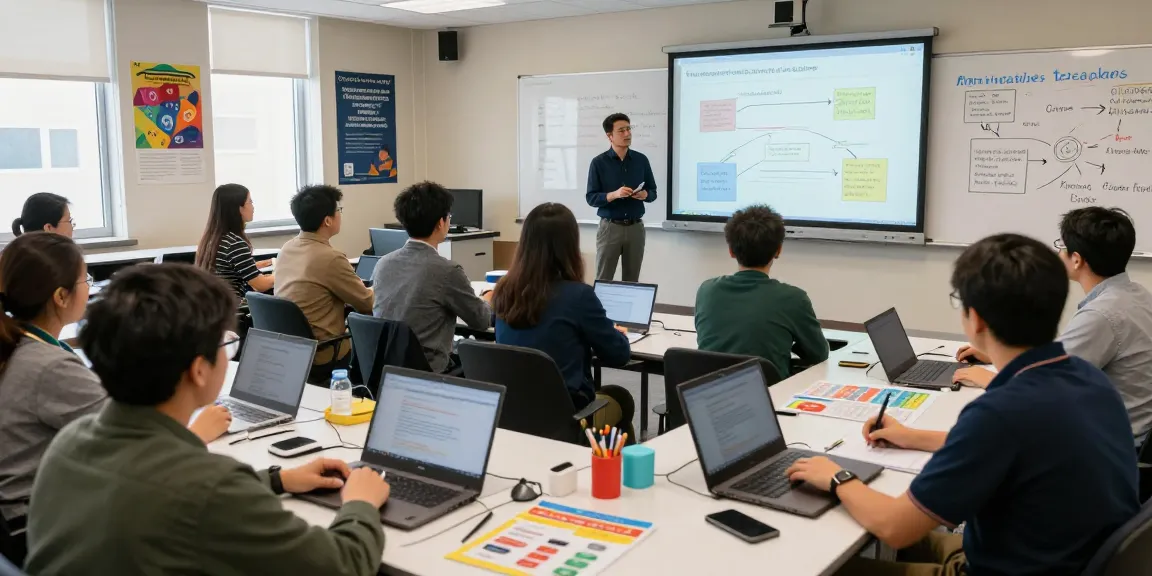
Understanding the 123b Framework in Education
The 123b framework is an innovative approach to education that seeks to redefine how learning is delivered, assessed, and integrated within the educational ecosystem. Originating from various legislative contexts that focus on educational statutes and policies, it emphasizes a holistic and inclusive method of education aimed at fostering student engagement and improving educational outcomes. The importance of this framework cannot be overstated, especially in today’s rapidly evolving educational landscape.
With its foundation in state legislation, 123b serves as a guiding principle that schools and educational authorities can adopt to facilitate better governance and enhanced educational practices. By leveraging this framework, educators, administrators, and policymakers can collaboratively address the challenges faced by modern education systems.
What is the 123b Framework?
The 123b framework is a specific structure created to improve public education by outlining essential policies and programs that should be integrated into school districts. It encompasses various aspects, including funding allocation, educational standards, and accountability measures. By prioritizing elements such as equitable access to resources and support for diverse learners, the 123b framework aims to ensure that all students receive a high-quality education.
Importance of 123b in Modern Education
In an age where educational disparities are becoming increasingly pronounced, the relevance of the 123b framework lies in its ability to address these gaps systematically. Implemented correctly, it can lead to improved student outcomes, better resource management, and enhanced overall educational quality. The framework also provides a structured approach for schools to evaluate their practices continually, ensuring that they remain responsive to the changing needs of students and communities.
Key Components of 123b Strategies
- Equitable Funding: Ensuring schools have access to the financial resources necessary to provide quality education.
- Student-Centric Approaches: Cultivating teaching practices that prioritize student engagement and learning outcomes.
- Professional Development: Ongoing training for educators to keep them informed about the latest pedagogical strategies.
- Assessment Innovations: Implementing new methods of assessment that reflect student learning more accurately.
Implementation of 123b Techniques
Adopting the 123b framework within educational institutions requires a strategic approach that includes planning, execution, and follow-up assessments. Implementing this framework involves not only educational leaders but also teachers, parents, and the community. The collaborative nature of the 123b framework ensures that the needs of all stakeholders are addressed.
Step-by-Step Guide to Implementing 123b
- Assessment of Current Practices: Conduct an evaluation of existing educational practices and identify areas for improvement.
- Training and Professional Development: Offer workshops and training sessions for educators on the principles of the 123b framework.
- Resource Allocation: Ensure that resources are distributed equitably among schools to support diverse learning needs.
- Monitoring and Evaluation: Set up systems for ongoing assessment of both educational practices and student outcomes.
Common Challenges in Adoption
While the 123b framework offers significant benefits, its implementation does come with challenges. Common obstacles include resistance to change from educators accustomed to traditional teaching methods, inadequate funding for necessary resources, and a lack of community involvement in education initiatives. Recognizing these challenges early on can help schools devise strategies to navigate them effectively.
Real-Life Success Stories Using 123b
Several districts that have adopted the 123b framework report transformative changes in their educational environments. For example, a school district in Minnesota implemented a comprehensive training initiative that focused on inclusivity, resulting in a marked increase in student engagement and academic performance. These success stories illustrate the tangible impact that the framework can have on educational practices.
Evaluating Impact and Effectiveness of 123b
Understanding the effectiveness of the 123b framework is crucial for ensuring that it meets its intended goals. Evaluation should be a continuous process that includes qualitative and quantitative assessments of educational outcomes. Tracking performance metrics can provide schools with the insights needed to adjust strategies as necessary.
Performance Metrics to Consider
- Student Achievement Scores
- Graduation Rates
- Teacher Satisfaction Surveys
- Community Feedback
Assessing Student Outcomes with 123b
Student outcomes are a direct reflection of the effectiveness of the 123b framework. Schools should monitor various indicators such as test scores, participation in extracurricular activities, and overall student well-being. This data can reveal how well the framework addresses the needs of the student population.
Feedback Mechanisms for Continuous Improvement
Implementing feedback mechanisms is essential for the ongoing success of the 123b framework. Schools can establish regular check-ins and surveys to gather input from students, parents, and educators. This information can guide future initiatives and help refine existing practices, ensuring that the framework evolves in response to community needs.
Future Trends for 123b in Education by 2026
As we look toward 2026, several trends are emerging that may influence the future of the 123b framework in education. These trends are shaped by technological advancements, changes in societal expectations, and evolving pedagogical approaches.
Emerging Technologies Supporting 123b
Increased digitization in education will play a significant role in the future of the 123b framework. Tools such as e-learning platforms, data analytics, and artificial intelligence can enhance personalized learning experiences, making education more accessible and effective for diverse student populations.
Predictions for Evolving Educational Practices
In response to the demands of a global economy and technological advancements, educational practices are likely to evolve toward more collaborative and interdisciplinary approaches. The integration of project-based learning and real-world applications will become more prevalent, aligning educational outcomes with the skills needed in the workforce.
Adaptations in Policy and Governance
As education continues to adapt, policies surrounding the 123b framework will likely undergo significant changes to support innovative practices. Policymakers will need to remain flexible, ensuring that regulations promote rather than hinder progressive educational methods.
Frequently Asked Questions about 123b
How does 123b differ from traditional education models?
The 123b framework emphasizes a more holistic approach to education compared to traditional models, focusing on equitable access, continuous assessment, and community involvement rather than standardized testing alone.
What are the resources needed for successful 123b implementation?
Successful implementation of the 123b framework requires adequate funding, professional development for educators, and community partnerships to support ongoing initiatives.
Can 123b impact student engagement positively?
Yes, by putting students at the center of the learning process and encouraging active participation, the 123b framework has been shown to enhance student engagement significantly.
What training is required for educators on 123b?
Educators will need training focused on inclusive teaching strategies, data analysis for student outcomes, and the effective use of technology in the classroom to align with the principles of the 123b framework.
How is 123b being integrated into current curricula?
The integration of 123b into curricula is occurring through the adoption of interdisciplinary projects, collaborative learning experiences, and the incorporation of technology to support diverse learning needs.