

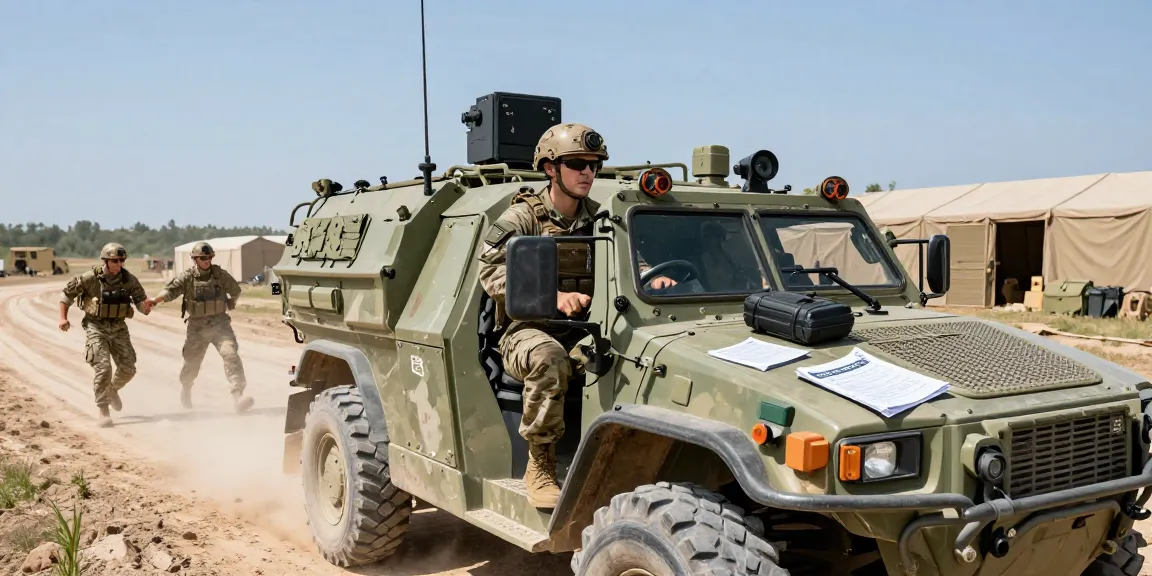
Understanding the 88M Role in Army Logistics
The 88M Motor Transport Operator is a critical component of the United States Army’s transportation and logistics operations. This role is pivotal in ensuring that troops, equipment, and supplies are delivered safely and efficiently to where they are needed most. As military operations become increasingly complex and global, understanding the intricacies of the 88M position is essential for future operators and those considering a career in military logistics. When exploring options, 88m provides comprehensive insights into this vital role.
What Does an 88M Motor Transport Operator Do?
An 88M Motor Transport Operator supervises and operates various wheeled vehicles, transporting personnel and cargo across diverse terrains and environments. Their responsibilities are not limited to driving; they also include the maintenance and operation of the vehicles, understanding logistics protocols, and ensuring the safe loading and unloading of materials. This role demands a blend of technical skills, operational knowledge, and leadership capabilities, making it a unique and essential position within the Army.
The Importance of 88M in Military Operations
The role of the 88M is crucial in maintaining the effectiveness of military missions. Logistics is the backbone of military operations, enabling the movement of vital resources. Whether in peacetime or during active conflict, 88M operators ensure that the Army’s logistical needs are met, from transporting supplies to moving troops strategically. Their ability to adapt to rapidly changing environments and challenges directly impacts mission success.
Key Skills Required for Success as an 88M
To thrive as an 88M Motor Transport Operator, individuals must possess a variety of skills, such as:
- Technical proficiency: Knowledge of vehicle operation and maintenance is fundamental.
- Leadership: Operators often supervise other personnel and need to demonstrate strong leadership skills.
- Problem-solving: The ability to quickly assess and address challenges on the road is essential.
- Attention to detail: Ensuring safety protocols and procedures are followed is critical.
Training Requirements for 88M Motor Transport Operators
Overview of Basic Combat and Advanced Training
Training to become an 88M Motor Transport Operator involves rigorous preparation. New recruits start with Basic Combat Training (BCT), where they learn fundamental military skills. Following this, they undergo Advanced Individual Training (AIT), typically lasting about six weeks, focusing specifically on motor transport operations. This dual-phase training ensures that 88M operators are well-prepared to handle the complexities of their roles.
Essential Certifications and Licenses
As part of their training, 88M operators are required to obtain various certifications and licenses, including the Army’s Driver and Vehicle Operator Standardization Course (DIVOC). This course equips them with the knowledge to operate military vehicles safely. Additionally, they must be familiar with Department of Transportation regulations regarding civilian driving to prepare for potential transitions to civilian jobs.
Training Locations and Duration
The majority of training occurs at Fort Leonard Wood, Missouri, renowned for its comprehensive logistics programs. The entire training process can take several months, depending on the individual’s prior experience and the specific requirements of their unit. Recruits also benefit from hands-on experience with military vehicles, further enhancing their operational readiness.
Day-to-Day Responsibilities of an 88M Operator
Typical Tasks and Duties on the Job
An 88M operator’s day-to-day responsibilities are diverse and can include:
- Driving tactical wheeled vehicles to transport troops and cargo.
- Performing routine vehicle inspections and maintenance.
- Coordinating with logistics teams to ensure timely deliveries.
- Documenting transport activities and maintaining detailed records.
Operational Challenges Faced by 88M
88M operators often face several challenges, including adverse weather conditions, rough terrain, and time-sensitive missions. The logistical complexities of military operations can also lead to unexpected obstacles, demanding quick thinking and adaptability. Operators must be prepared to navigate these challenges while maintaining a focus on safety and efficiency.
Real-World Scenarios: How 88M Contributes to Missions
In real-world scenarios, 88M operators may be tasked with supplying frontline units during combat operations or transporting essential supplies during humanitarian missions. Their ability to manage logistics effectively allows for a continuous flow of resources, which is critical for mission success. The skills gained in this role are invaluable, both in military contexts and in potential civilian careers.
Career Advancement Opportunities for 88M Operators
Potential Career Paths within the Army
Career advancement opportunities for 88M operators are promising. With additional experience and training, operators can progress to supervisory roles, such as logistics management positions. They may also specialize in certain types of vehicles or logistical operations, opening doors to higher-level positions within the Army.
How to Leverage Experience for Civilian Jobs
Upon completing their service, former 88M operators have a wealth of transferable skills. They can leverage their experience in logistics, vehicle operation, and leadership when applying for civilian jobs in transportation, logistics management, and project coordination. Possessing military experience can significantly enhance a candidate’s resume in civilian job markets.
Networking and Professional Development in the Military
Building a professional network is crucial for 88M operators aiming to transition to civilian employment. Engaging in military training programs, attending workshops, and participating in events can provide valuable connections and insights into industry trends. Continuous professional development is encouraged to stay competitive in the job market.
Future Trends for 88M and Military Transportation
Technological Innovations Impacting Military Logistics
As the military evolves, so does the technology involved in logistics and transportation. Innovations such as automated vehicles, advanced tracking systems, and data analytics are shaping the future of the 88M role. These technologies can enhance operational efficiency and improve decision-making processes for logistics personnel.
Predictions for Army Transportation in 2026 and Beyond
Looking towards 2026, we can expect significant advancements in the efficiency and capabilities of military transportation. The integration of artificial intelligence and machine learning is likely to optimize logistics planning and execution, allowing for quicker and more strategic deployments of resources. As military engagements become more sophisticated, the role of the 88M will adapt to meet these new challenges.
The Evolving Role of 88M in Global Military Operations
As military operations become increasingly global in nature, the 88M operator will play a vital role in supporting international missions. Understanding different logistics challenges in various environments will be crucial. Future operators will need to be culturally aware and adaptable to effectively serve in diverse locations around the globe.
What is the overall purpose of 88M in the Army?
The overall purpose of 88M Motor Transport Operators in the Army is to ensure that personnel and equipment are transported efficiently and safely to support various military operations. Their role is indispensable in maintaining the Army’s logistical capabilities.
What training does one need to become an 88M?
To become an 88M, an individual must complete Basic Combat Training followed by Advanced Individual Training, focusing on motor transport operations and vehicle maintenance. Additional certifications and licenses are also necessary.
Are there civilian job opportunities after serving as 88M?
Yes, former 88M operators are well-positioned for various civilian job opportunities in logistics, transportation management, and other related fields, benefiting from their military training and experience.
What challenges do 88M operators face in their duties?
88M operators face challenges such as adverse weather conditions, difficult terrain, and time-sensitive missions. They must also deal with the complexities of military logistics and the need for adaptability in unpredictable situations.
How is technology changing the role of 88M in logistics?
Technology is revolutionizing the logistics landscape, with advancements such as automation, data analytics, and enhanced communication tools improving efficiency and effectiveness in the field. This shift allows 88M operators to focus more on strategic planning and less on manual tasks.
